Newsletter Subscribe
Enter your email address below and subscribe to our newsletter

 ByJohn A
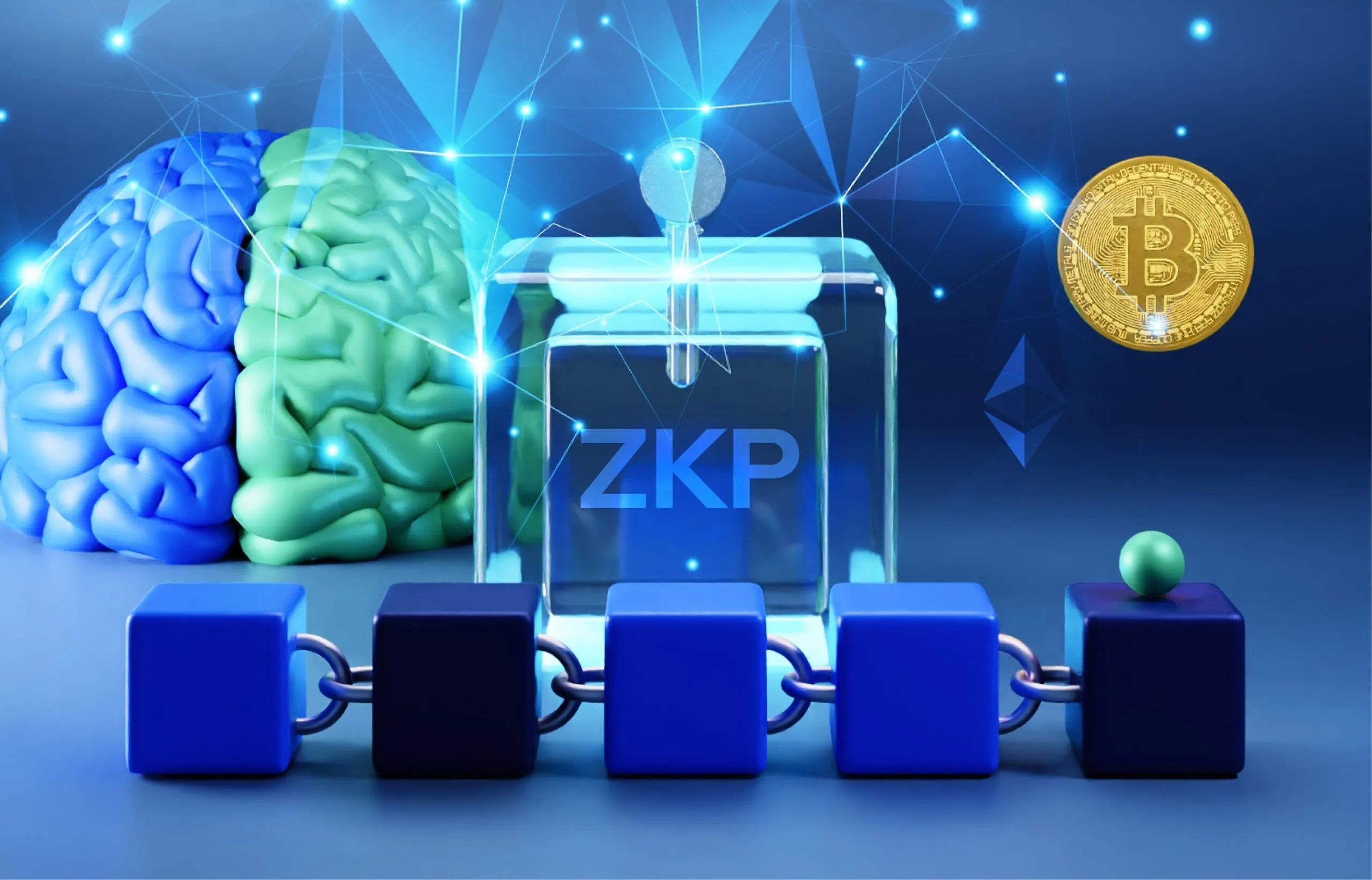
Zero-knowledge technology enables proving a claim without exposing its underlying data. In crypto, a prover constructs a cryptographic proof that a verifier can validate using public inputs and parameters, while the secret remains hidden. This framework balances soundness and completeness, often via SNARKs, STARKs, or Bulletproofs. The result is private authentication and scalable verification within decentralized systems. Yet key design choices—proof systems, assumptions, and efficiency—shape practical deployment, inviting further examination.
Zero-knowledge proofs are cryptographic protocols that enable one party to convince another that a statement is true without revealing any information beyond the statement’s validity. They formalize verification while limiting exposure, shaping privacy tradeoffs and reinforcing trust assumptions.
The mechanism preserves data control, enabling scalable authorization and auditability without disclosure, thereby advancing cryptographic governance, security, and user autonomy within decentralized ecosystems.
In this topic, the focus is on how zk proofs establish truth without exposing underlying secrets. Zero knowledge techniques enable verification by cryptographic proofs that simulate evidence without disclosure. The prover demonstrates compliance with asserted statements through interactive or non-interactive protocols, preserving privacy while ensuring soundness and completeness.
Rephrase? The result is verifiability without leakage, aligning freedom with rigorous, transparent authentication.
See also: theboringmagazine
SNARKs, STARKs, and Bulletproofs represent the principal families of zero-knowledge proof systems, each with distinct trade-offs in scalability, proof size, verification cost, and cryptographic assumptions. The selection hinges on context: zk proofs balancing verification speed and upfront setup vs. post-quantum resilience. Practitioners weigh efficiency, security, and zk trust implications to align with governance, audience needs, and architectural intent.
Practical zero-knowledge proofs are increasingly embedded in wallets, blockchains, and layered scaling solutions to enhance privacy, efficiency, and scalability without compromising security. These implementations reflect careful privacy design choices and governance tradeoffs, balancing user anonymity with verifiable accountability.
In deployment, ZK proofs optimize verification cost, mitigate data exposure, and enable selective disclosure while preserving composability across protocols and layered architectures.
In closing, careful cryptography cultivates confidence, creating concrete, compact cryptographic convincers. Zero-knowledge proofs permit practical privacy, precisely proving properties without revealing particulars. Snarky scalability stories, Stark standards, and Bulletproof brilliance, each provide principled pathways for private verification. Stakeholders select suited schemes, safeguarding sovereignty, soundness, and scalability. Methodical meticulousness matters: parameter generation, proof construction, and public verification must be rigorously realized. Ultimately, transparent trust thrives, transforming transactions, wallets, and networks through disciplined, distributed, decoupled privacy-preserving proof practices.